
Replacing Missing Teeth

The Surgical Procedure

Your teeth affect your whole body. When they’re healthy, you’re healthier too. A missing tooth can affect your bite, speech and eating choices. As you rely more on your remaining teeth, you increase the chance they will wear out prematurely, or be damaged or lost. You may also experience headaches and/or jaw pain.

Who would want their appearance and health to deteriorate? That’s the natural consequence of missing teeth – the jaw literally melts away. Generally, people will lose 25% of their supporting jawbone structure within the first year after tooth loss. Dental implants are more easily placed when teeth are first extracted because bone replacement becomes more complex as time passes. The great news? Implants act just like your natural teeth. They safeguard and preserve your bone structure, oral health and appearance. Your dentist and the implant surgeon will provide you with options so that you can make the most informed decision concerning tooth replacement.

See the dental implant process.

Tooth Replacement Options

Fixed Bridge

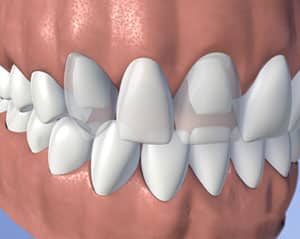
A fixed bridge is a connected set of replacement teeth. For support, it is cemented into position on top of the teeth adjacent to the empty space. The protective outer layer of these teeth is usually removed or ground down prior to attaching the bridge.
Flipper

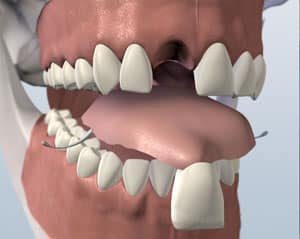
A fragile, temporary and inexpensive solution is a removable plastic tooth with a plastic retainer, often called a “flipper”.
Metal Partial

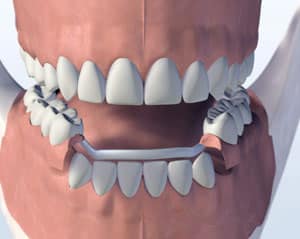
A less fragile option is a removable partial denture cast in metal and plastic. It is held in place by wire clips. A removable partial denture can be removed and reinserted when required by the patient.
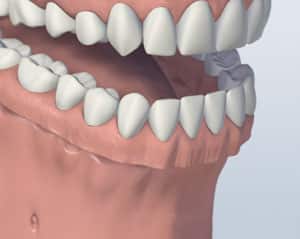
Denture

The most common solution, for people missing all teeth in one or both jaws are complete dentures. Some people adapt well to dentures. Others find them uncomfortable, even intolerable, because of differences in jaw size and shape.
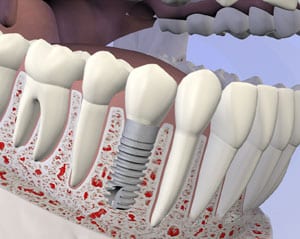
Dental Implants

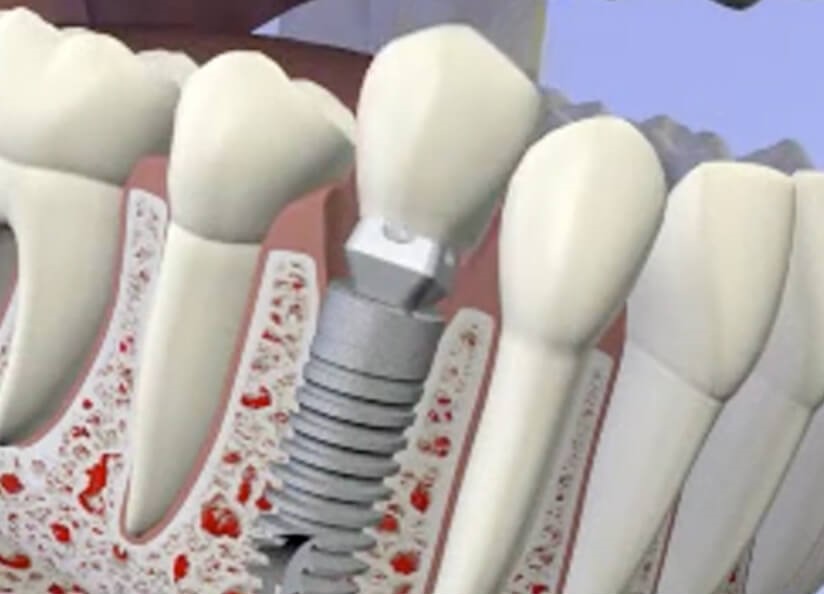
Dental implants are the most comfortable and permanent solution. They form a strong foundation for teeth and keep the jaw healthy and strong. Implants support individual replacement teeth or secure specialized dentures in place. Unlike bridges, no healthy teeth are damaged. Unlike most bridges, implants can last a lifetime. Implant-supported replacement teeth can be attractive, stable, and comfortable for almost any patient.

Tooth Replacement Options

You can select from a number of different options to replace your missing teeth – from temporary to long-lasting solutions.

A good candidate is anyone missing one or more teeth, or who is unhappy with their dentures. Age is not a factor. However, smoking, diseases such as diabetes, and radiation therapy to the area, have been shown to lower the success rate of implant placement. X-rays of your jaw will be taken to evaluate whether they will accommodate implants. Detailed x-rays may also be required to determine if other tests or procedures are needed to place implants properly.

~ Find Out if Dental Implants Are Right for You ~

Why Select Dental Implants Over More Traditional Types Of Restorations?

There are several reasons: A dental bridge can sacrifice the structure of surrounding good teeth to bridge the space of the missing tooth/teeth. In addition, removing a denture or a “partial” at night may be inconvenient, not to mention dentures that slip can be uncomfortable and rather embarrassing.

Oral, Facial, and Dental Surgery Services

Surgeons Peter H. Kim, DDS; Serv S. Wahan, DMD, MD; Daniel T. Brady, DDS; and Dustin Altmann, DMD, Michael Gross, DMD, MD, provide a full scope of oral and maxillofacial surgery, from corrective jaw surgery and wisdom tooth removal to advanced dental implant and bone grafting procedures, as well as diagnosis and treatment of facial pain, facial injuries, and TMJ disorders. Our clinical team is highly trained in assisting with I.V. sedation in a modern, state-of-the-art office setting, so you can receive care comfortably and safely.
Surgeons Peter H. Kim, DDS; Serv S. Wahan, DMD, MD; Daniel T. Brady, DDS; and Dustin Altmann, DMD, provide a full scope of oral and maxillofacial surgery, from corrective jaw surgery and wisdom tooth removal to advanced dental implant and bone grafting procedures, as well as diagnosis and treatment of facial pain, facial injuries, and TMJ disorders. Our clinical team is highly trained in assisting with I.V. sedation in a modern, state-of-the-art office setting, so you can receive care comfortably and safely.
Dental Implants
Bone Grafting
Wisdom Teeth
Impacted Teeth
Facial Trauma
Tooth Extractions
Oral Pathology
Bone Growth Protein
3D Imaging
Anesthesia
Pre-Prosthetic Surgery
~ We are currently accepting new patients ~

Board-Certified Oral & Maxillofacial Surgeons in Washington State

What Our Patients’ Say

FAQs

How long does it take to replace a missing tooth?

The timeline depends on the type of replacement and your individual needs. Some treatments are completed over multiple visits, while others may take place in stages to allow for healing. Your care team will outline the expected timeline during your consultation so there are no surprises.

Tooth replacement is not one-size-fits-all. Options can include dental implants, bridges, or dentures, depending on how many teeth are missing and where they’re located. During a consultation, the surgeon reviews your oral health, bone structure, and goals before recommending an option that fits your situation.

Dental implants are designed to replace both the tooth and its root, which helps support the jawbone. Bridges and dentures sit on or attach to nearby teeth or gums instead. Some patients prefer implants for their stability, while others choose bridges or dentures based on timing, anatomy, or personal preference.

Some tooth replacement options, such as dental implants, do involve a surgical procedure. Others, like bridges or dentures, may not. If surgery is part of your treatment, the process is carefully planned and explained ahead of time so you know what to expect before moving forward.

Many patients notice improvements in how they chew and speak after replacing missing teeth. Gaps can make certain foods harder to manage or affect how words sound. Restoring those spaces often helps daily activities feel more natural again.

Choosing the right option depends on several factors, including oral health, bone support, and personal goals. A consultation allows the surgeon to review imaging, examine your mouth, and talk through each option so you can make an informed decision that feels right for you.

Scroll to Top