
The Importance of Teeth for Jaw Bone Health
When one or more teeth are missing it can lead to bone loss at the site of the gap. This loss of jaw bone can develop into additional problems, both with your appearance and your overall health. You may experience pain, problems with your remaining teeth, altered facial appearance, and eventually even the inability to speak and/or eat normally.
In the same way that muscles are maintained through exercise, bone tissue is maintained by use. Natural teeth are embedded in the jaw bone and stimulate the jaw bone through activities such as chewing and biting. When teeth are missing, the alveolar bone, or the portion of the jaw bone that anchors the teeth into the mouth, no longer receives the necessary stimulation it needs and begins to break down, or resorb. The body no longer uses or “needs” the jaw bone, so it deteriorates.
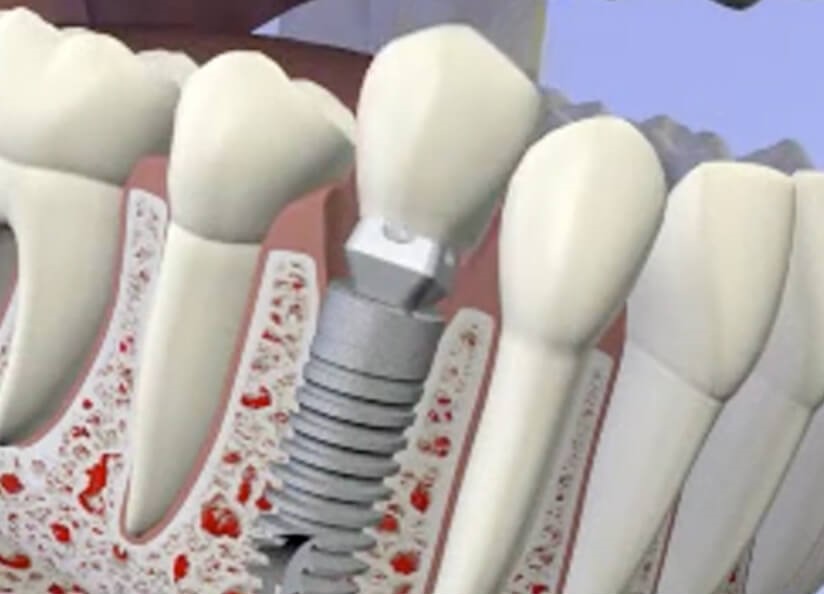
Potential Consequences of Tooth and Jaw Bone Loss
- Problems with remaining teeth, including misalignment, drifting, loosening, and loss
- Collapsed facial profile
- Limited lip support
- Skin wrinkling around the mouth
- Distortion of other facial features
- Jaw (TMJ) or temporomandibular joint) pain, facial pain, and headaches
- Difficulty speaking and communicating
- Inadequate nutrition as a result of the inability to chew properly and painlessly
- Sinus expansion
Oral, Facial, and Dental Surgery Services
Board-Certified Oral & Maxillofacial Surgeons in Washington State
- Board-Certified Specialists
- Trusted by Referring Dentists
- State-of-the-Art Technology
- Proven Outcomes & Satisfaction
- Personalized Patient Experience
- Comprehensive Care
- Advanced Surgical Expertise
- Safe Sedation
- Four Local Offices
What Our Patients’ Say
Dr. Kim and the whole staff are as good as they get. Fast and efficient, they work together like a swiss watch. Great follow up. Knowledgeable staff. I would highly recommend that you give them a try if you are looking for the best option for your dental needs.
5 stars all the way. I’d give them 10 stars if I could!!!! Mark D. / Seattle, WA
Mark D. / Seattle, WA
Dr. Kim and the whole staff are as good as they get. Fast and efficient, they work together like a swiss watch. Great follow up. Knowledgeable staff. I would highly recommend that you give them a try if you are looking for the best option for your dental needs.
5 stars all the way. I’d give them 10 stars if I could!!!! Mark D. / Seattle, WA
Mark D. / Seattle, WA
Dr. Kim and the whole staff are as good as they get. Fast and efficient, they work together like a swiss watch. Great follow up. Knowledgeable staff. I would highly recommend that you give them a try if you are looking for the best option for your dental needs.
5 stars all the way. I’d give them 10 stars if I could!!!! Mark D. / Seattle, WA
Mark D. / Seattle, WA
FAQs
Why are teeth necessary for maintaining healthy jaw bone?
Teeth play an active biological role in keeping the jaw bone healthy. Each time a person chews, pressure is transferred from the teeth into the surrounding bone. This stimulation signals the body to maintain bone density and strength in that area. When a tooth is missing, that signal is reduced or lost, which can cause the body to gradually break down the unused bone.
How quickly can jaw bone loss begin after a tooth is missing?
Jaw bone loss can begin sooner than many people realize. Once a tooth is lost, the bone beneath it no longer receives regular stimulation from chewing. As a result, the body may start reabsorbing bone in that area as part of its natural process, which can continue gradually over time if the space is left untreated.
Can jaw bone loss occur even if only one tooth is missing?
Yes, jaw bone loss can occur even when a single tooth is missing. The bone supporting that specific tooth may begin to shrink, and this localized bone loss can affect the position and stability of nearby teeth. Over time, this can contribute to shifting, bite changes, or uneven pressure on surrounding teeth.
What are common signs that jaw bone loss may be occurring?
Jaw bone loss often develops slowly and may not cause noticeable symptoms at first. As it progresses, signs can include changes in how the teeth fit together, gradual shifting of teeth, changes in facial structure around the mouth or jaw, or difficulty chewing certain foods comfortably.
Does wearing dentures prevent jaw bone loss?
Traditional dentures help restore appearance and basic function, but they do not provide the same level of bone stimulation as natural teeth. Because dentures rest on the gums rather than the jaw bone, they do not prevent the bone changes that can occur after tooth loss.
Can jaw bone loss be slowed or managed?
Jaw bone loss does not typically reverse on its own, but early evaluation can help identify ways to slow further changes. Monitoring bone health and addressing missing teeth in a timely manner can play an important role in maintaining long-term oral stability and function.