
Socket Preservation
Preserving Your Jaw Bone after Extraction
Removal of teeth is sometimes necessary because of pain, infection, bone loss, or due to a fracture in the tooth. The bone that holds the tooth in place (the socket) is often damaged by disease and/or infection, resulting in a deformity of the jaw after the tooth is extracted. In addition, when teeth are extracted the surrounding bone and gums can shrink and recede very quickly, resulting in unsightly defects and a collapse of the lips and cheeks.
These jaw defects can create major problems in performing restorative dentistry whether your treatment involves dental implants, bridges, or dentures. Jaw deformities from tooth removal can be prevented and repaired by a procedure called socket preservation. Socket preservation can greatly improve your smile’s appearance and increase your chances for successful dental implants.
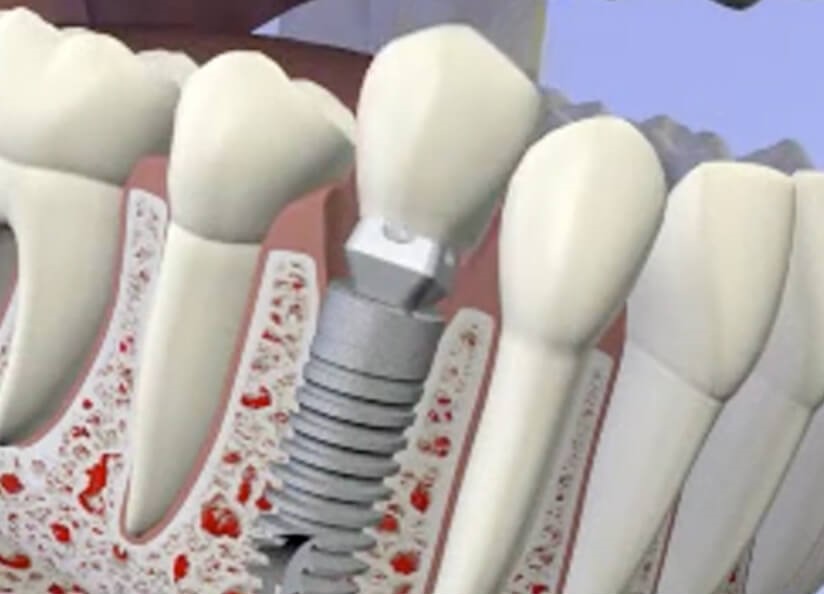
Several techniques can be used to preserve the bone and minimize bone loss after an extraction. In one common method, the tooth is removed and the socket is filled with bone or bone substitute. It is then covered with gum, artificial membrane, or tissue, which encourages your body’s natural ability to repair the socket. With this method, the socket heals, eliminating shrinkage and collapse of the surrounding gum and facial tissues. The newly formed bone in the socket also provides a foundation for an implant to replace the tooth. If your dentist has recommended tooth removal, be sure to ask if socket preservation is necessary. This is particularly important if you are planning on replacing the front teeth.
Oral, Facial, and Dental Surgery Services
Board-Certified Oral & Maxillofacial Surgeons in Washington State
- Board-Certified Specialists
- Trusted by Referring Dentists
- State-of-the-Art Technology
- Proven Outcomes & Satisfaction
- Personalized Patient Experience
- Comprehensive Care
- Advanced Surgical Expertise
- Safe Sedation
- Four Local Offices
What Our Patients’ Say
Dr. Kim and the whole staff are as good as they get. Fast and efficient, they work together like a swiss watch. Great follow up. Knowledgeable staff. I would highly recommend that you give them a try if you are looking for the best option for your dental needs.
5 stars all the way. I’d give them 10 stars if I could!!!! Mark D. / Seattle, WA
Mark D. / Seattle, WA
Dr. Kim and the whole staff are as good as they get. Fast and efficient, they work together like a swiss watch. Great follow up. Knowledgeable staff. I would highly recommend that you give them a try if you are looking for the best option for your dental needs.
5 stars all the way. I’d give them 10 stars if I could!!!! Mark D. / Seattle, WA
Mark D. / Seattle, WA
Dr. Kim and the whole staff are as good as they get. Fast and efficient, they work together like a swiss watch. Great follow up. Knowledgeable staff. I would highly recommend that you give them a try if you are looking for the best option for your dental needs.
5 stars all the way. I’d give them 10 stars if I could!!!! Mark D. / Seattle, WA
Mark D. / Seattle, WA
FAQs
What does socket preservation do after a tooth is removed?
Socket preservation helps maintain the shape and strength of the jawbone immediately after a tooth extraction. By supporting the empty socket as it heals, the procedure reduces bone shrinkage that commonly happens when a tooth is no longer present.
Why doesn’t the jawbone heal properly on its own after extraction?
After a tooth is removed, the bone in that area no longer receives stimulation from chewing. Without support, the socket can collapse as the body heals, leading to loss of bone volume and changes in the surrounding gums.
How is socket preservation performed during an extraction visit?
Once the tooth is removed, graft material is placed directly into the empty socket. The area is then protected so the body can gradually replace the material with new bone as healing progresses.
Does socket preservation affect how the gums heal after extraction?
Yes. By supporting the bone beneath the gums, socket preservation helps the gum tissue heal with better contour and stability. This can improve both function and appearance as the area recovers.
Can socket preservation improve options for replacing a missing tooth later?
Maintaining bone volume makes it easier to plan future tooth replacement. Preserved sockets often provide a more predictable foundation for dental implants or other restorations compared to areas where bone loss has already occurred.
How is healing monitored after a socket preservation procedure?
Healing is evaluated during follow-up visits using exams and imaging. These checks help confirm that the bone is forming properly and that the site is progressing as expected.